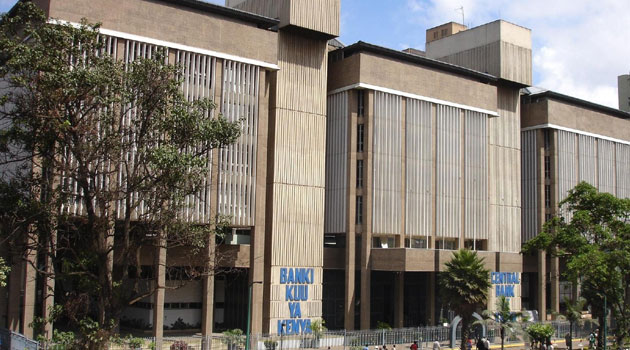
NAIROBI, Kenya, Nov 2 – The Central Bank of Kenya (CBK) plans to summon commercial banks to explain how they intend to meet minimum capital requirements, as the regulator steps up efforts to strengthen the banking sector. CBK Governor Kamau Thugge said the regulator had already called in some lenders to explain their plans, while others that may struggle to meet the requirements would also be required to outline their next steps. “There are only a few banks where we want them to come and tell us how they are going to meet the KSh5 billion. We also want to hear from the few, maybe one or two, that might struggle to meet the target; we want to know what they are doing,” Thugge said. The KSh5 billion target was part of a phased increase in minimum core capital introduced under the Business Laws (Amendment) Act, 2024. However, the Finance Act 2026 scrapped the annual milestones and extended the deadline for banks to meet the KSh10 billion minimum core capital requirement to December 2032. Thugge said the CBK was also engaging the National Treasury on the capital requirements to ensure that banks strengthen their capital bases. He said the higher capital requirements were prompted by economic shocks, including climate change and cyber security attacks on financial institutions. “We want strong banks; we don’t want situations where you have a weak bank, and something happens, and it ends up having a systemic impact on the whole banking sector. So for us, it is important to have very solid banks with a solid capital base to be able to lend and defend themselves more,” Thugge said. Separately, the CBK is exploring the use of artificial intelligence agents in banking operations, although the regulator says it will proceed cautiously because of the risks involved. CBK Director of Research Robert Mudida said agentic AI could help financial institutions automate tasks such as payments, but warned that the technology could also take over decisions traditionally made by human employees. “Agentic AI is at the highest level because these agents are being trained to take over critical decisions that are being done by human beings. It has great opportunities but also great dangers, so we are going slowly, but there are opportunities of using agents in areas like payments,” Mudida said. He said human oversight would remain important as the regulator considers the technology, particularly in ensuring data security and proper governance. “We are trying to move as fast as possible, but we are very aware of AI governance, which is very important to ensure the security of data,” he said. Mudida said the CBK was exploring more than 300 AI use cases to improve its operations and was also testing an AI-powered chatbot. The CBK’s Research Department is already using AI for microforecasting and nowcasting to provide the Monetary Policy Committee with near-real-time economic insights, particularly where data gaps exist.
NAIROBI, Kenya, Nov 2 – The Central Bank of Kenya (CBK) plans to summon commercial banks to explain how they inten

Commentaires