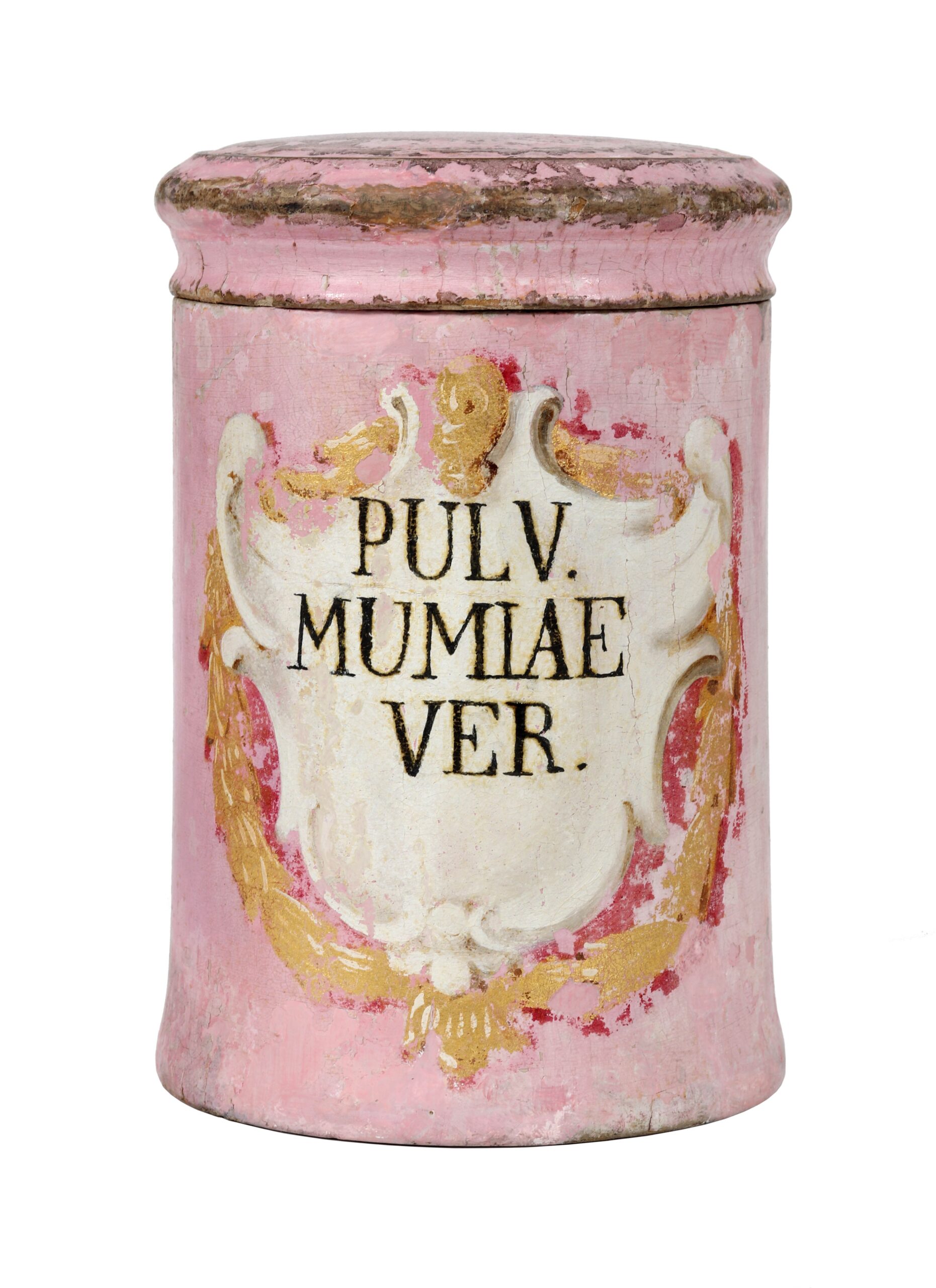
For thousands of years, the recipes used by ancient Egyptian embalmers have remained partly obscured by the chemical changes that affect preserved materials over time. Now, scientists have found molecular evidence suggesting that Aloe-derived substances may have been among the ingredients used in some ancient Egyptian embalming mixtures, a possibility that has largely escaped previous chemical studies. The study, published in the Proceedings of the National Academy of Sciences (PNAS), combined chemical analysis of museum samples with evidence from ancient texts and the history of a much later medicine known as Mumia vera aegyptiaca, a substance made from Egyptian mummy material that was traded for centuries as a remedy. “We know that embalming was a complicated, multistage process involving resins, fats and other materials, but the precise recipes and the order in which they were applied remain incompletely reconstructed,” said Tim Berger, a doctoral candidate at the Institute of Pharmaceutical Biology and Biotechnology at Marburg University in Germany and co-lead author of the study. The paper notes that detailed contemporary descriptions of embalming are scarce and that surviving materials have undergone thousands of years of chemical change. To identify ingredients that earlier techniques may have missed, Berger and his colleagues analysed 24 samples from university and pharmacy museum collections. These included commercial products labelled as Mumia vera, mummified body parts, bandages, embalming residues and material taken from two mummified skulls. Rather than removing significant pieces of human remains, the researchers used tiny amounts of material adhering to them. The team employed a technique capable of separating and identifying hundreds of chemical signals in complex mixtures, then compared the results with modern and historical reference materials. Several samples contained molecules associated with Aloe, including compounds related to aloeresin and aloin. In one sample, the researchers compared the chemical signal directly with an authentic aloeresin A standard and found matching chemical behaviour. Similar Aloe-associated compounds were also detected in material from one of the mummified heads. According to Berger and his colleagues, these findings strongly support the presence of Aloe-derived material in at least some embalming mixtures. The discovery is significant because Aloe-associated compounds had not previously been reported in analytical studies of ancient Egyptian embalming. Ancient texts offer further clues The chemical findings prompted the researchers to revisit the written record. An ancient Egyptian term, ‘nḫ-jm.j, meaning roughly “life is within it”, appears in an embalming context and describes a product derived from a plant growing in a foreign coastal region. The researchers propose that the term could refer to Aloe or an Aloe-derived substance. However, they caution that the identification remains uncertain. The term has received several different translations, and the available evidence cannot establish conclusively that ‘nḫ-jm.j referred to Aloe. Contamination during centuries of museum storage also cannot be entirely ruled out, although the distribution of the compounds and laboratory controls make recent contamination less likely. The study yielded another finding when researchers tested an old Mumia vera aegyptiaca extract against influenza-infected cells. The extract provided modest protection against several influenza strains, although its major isolated compound, 7-oxodehydroabietic acid, was ineffective on its own. The authors stress that this result does not validate historical claims about the medicinal properties of mummy material, nor does it demonstrate that the extract could treat influenza. For Berger and his colleagues, the broader significance lies in combining chemical analysis with historical evidence. Molecular fingerprints can help identify ingredients that ancient texts leave ambiguous and reconnect museum objects whose histories have been lost. In one case, chemical similarities linked an unidentified powder to a specific mummified head despite the absence of secure curatorial records.
For thousands of years, the recipes used by ancient Egyptian embalmers have remained partly obscured by the chemical cha

댓글