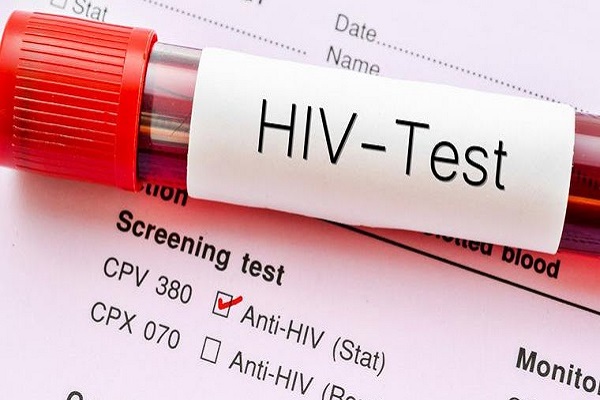
Ghana recorded 13,951 new HIV infections in 2025, with women accounting for nearly two-thirds of the cases, as health authorities warn that risky sexual behaviour and declining condom use are driving new infections. Greater Accra recorded the highest number of new infections, with 3,141 cases, according to figures presented by the Ghana AIDS Commission. The figures have raised concerns about the country’s progress in controlling the spread of HIV, with the Commission warning that Ghana remains off track to achieve the global 95-95-95 targets under its 2026–2030 National Strategic Plan. Director of Research, Monitoring and Evaluation at the Ghana AIDS Commission, Isaiah Doe Kwao, said there was an urgent need to strengthen prevention, testing and treatment efforts to reverse the trend. Speaking at the 2026 HIV and AIDS Partnership Forum, he highlighted the factors contributing to new infections and called for greater public awareness and financial support for the national HIV response. Of the 13,951 new infections recorded in 2025, women accounted for 8,900, representing 63.8 per cent of the total. Greater Accra had the highest number of new infections, with 3,141 cases. The region also had the largest population of people living with HIV, reflecting its high population concentration. Mr Kwao said national statistics showed that slightly more than 330,000 people were living with HIV across Ghana at the end of 2025, with Greater Accra accounting for more than 77,000 cases. He said the concentration of people in major population centres, alongside patterns of sexual behaviour, partly explained the high numbers recorded in these areas. “This is important because in populations where there are more people, you realise that more people are engaging in heterosexual sex, which is the highest mode of transmission,” he said. He added, however, that the key concern should be how to reduce new infections rather than simply focus on the numbers. “But the most important is what are we doing to reduce these numbers?” he asked. Mr Kwao identified risky sexual behaviour, including sex without condoms and having multiple sexual partners, as major factors contributing to the spread of HIV. He cited casual sexual encounters and relationships outside committed partnerships as examples of behaviours that could increase the risk of infection. “For example, side chickism, hookups, people having sex without using a condom. This is one of the most critical transmission modes to get HIV and AIDS,” he said. He urged sexually active people to know their HIV status, use condoms consistently and avoid behaviours that could expose them to infection. “If you should go and test, if you test and you are negative, you live a non-risky life. You stick to your partner. It’s as simple as that. And be faithful to your partner,” he said. Mr Kwao also acknowledged that HIV could be transmitted through other routes, including from mother to child during pregnancy, childbirth or breastfeeding. However, he said that preventing sexual transmission remained a key part of efforts to reduce new infections. The Ghana AIDS Commission has warned that the country is not on course to meet the global 95-95-95 HIV targets under its 2026–2030 National Strategic Plan. The targets seek to ensure that 95 per cent of people living with HIV know their status, 95 per cent of those diagnosed receive sustained antiretroviral treatment, and 95 per cent of people receiving treatment achieve viral suppression. Achieving these targets is considered critical to reducing HIV-related illness and deaths and preventing further transmission. Mr Kwao said intensified prevention, testing and treatment programmes would be necessary to improve Ghana’s performance. The latest figures highlight the need to reach more people with HIV testing services, encourage early diagnosis and ensure that those who test positive can access and remain on treatment. Public education will also be important in addressing misconceptions about HIV and encouraging safer sexual practices. Beyond prevention and treatment, Mr Kwao said inadequate funding posed a challenge to Ghana’s efforts to meet its HIV targets. He noted that donor fatigue was becoming a concern and called on the government to increase its financial contribution to the national HIV and AIDS response. “But now donor fatigue is setting in. That is why we are encouraging government to increase its financing for the national HIV and AIDS response,” he said. Mr Kwao said the Commission was advocating an increase in the share of the District Assemblies Common Fund allocated to HIV and AIDS programmes to strengthen prevention and support services at the local level. He explained that greater funding for district-level interventions would help ensure that resources reached communities where they were needed most. The Commission is also seeking to strengthen the National HIV and AIDS Fund, which he said needed additional contributions to support its work. “We are hoping with government support we can be able to engage the private sector so that they can contribute more to the fund through their social corporate responsibility,” he said. He added that the Resource Mobilisation Committee of the Ghana AIDS Board was being encouraged to use its expertise to attract more funding and help bridge the financial gap. According to Mr Kwao, additional resources would be necessary to support the programmes required to meet both national and international HIV targets. Mr Kwao also appealed to individuals to contribute to the National HIV and AIDS Fund, stressing that collective support was needed to sustain prevention and treatment programmes. He said even small donations could help strengthen the country’s response to the epidemic. “Your 1 cedi can go a long way to help the fund because HIV can affect not only you, but also your family,” he said. He encouraged members of the public to use the short code *9898# to make contributions to the fund. “You can also contribute if it’s 1 cedi, 10 cedis, 1 million. We accept so that we can raise funds to bridge the gap that we need to finance the HIV,” he added.
” he asked. Mr Kwao identified risky sexual behaviour, including sex without condoms and having multiple sexual partners





评论