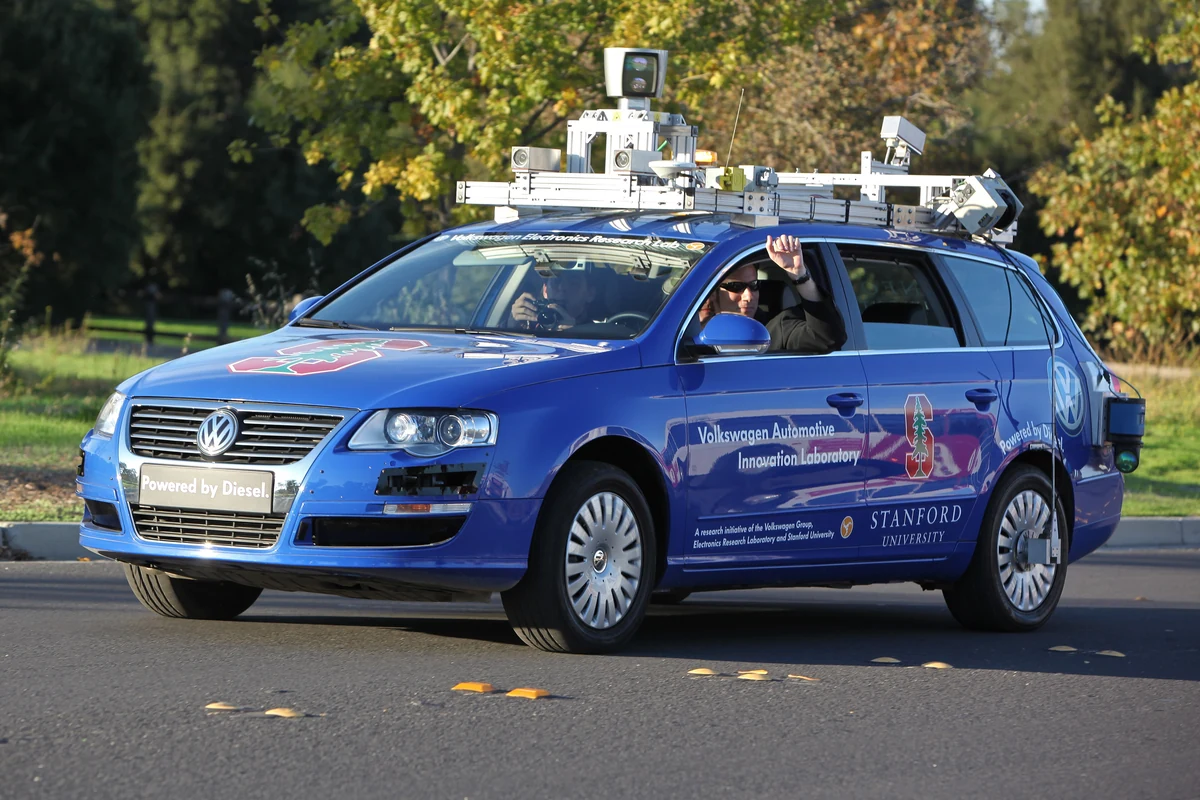
A pattern has been hard to miss in the car market recently. Equipment treated as a premium badge one year appears on a cheap car the next. Laser scanning was the clearest case. It was once a marker of cars above 300,000 yuan. Now it is being fitted to a model whose entry price is under 100,000. That single fact is worth pausing over. It says less about one company's generosity than about how fast a component can slide down the price ladder once its architecture is shared.
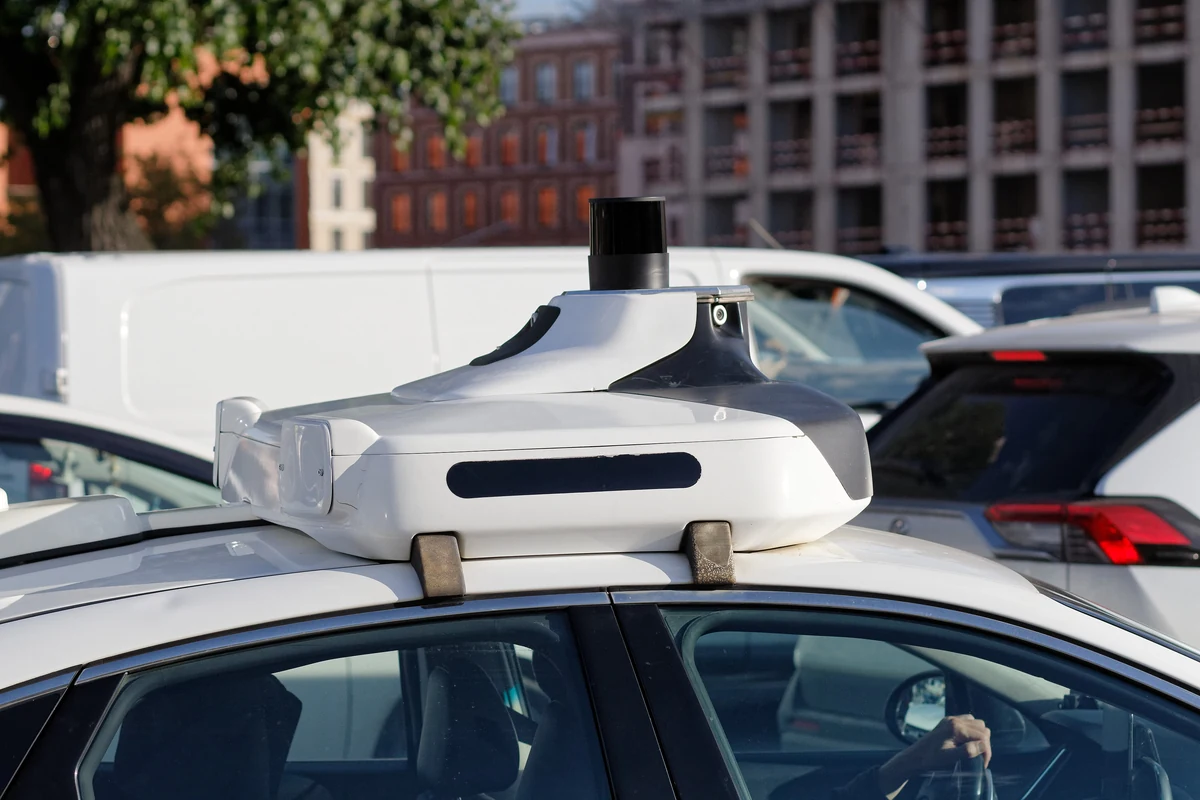
The SAIC Volkswagen ID. ERA 5X went on sale recently, four versions carrying a limited-time price of 99,900 to 139,900 yuan. The top Ultra version, at 139,900, carries a 192-channel laser scanner and a Horizon Journey 6H chip delivering 420 teraflops, supporting navigation assistance in cities and on highways as well as parking-space-to-parking-space functions. Two years ago that bundle would have carried a very different tag. The price alone would be unremarkable; the sensor and the compute stacked into it are not.
More telling is what the car is. It is the first production vehicle built on Volkswagen's CMP and CEA architecture. Architecture comes before the individual model, which means the cost of platform sharing has already been diluted to the point where a lower price is possible. Getting advanced assistance down to this bracket is not a loss leader. It is the result of underlying structure, supply chain and software reuse pulling the per-car cost down together.
The entry version does not rely on a stripped-down excuse either. The 99,900 Pro version comes standard with a 4-nanometre automotive-grade chip, the Doubao large model 2.0, and a heat pump for climate control. The heat pump matters in cold northern winters, where it changes the range a driver actually gets. Putting it in the entry trim suggests the maker knows buyers care about real-world behaviour more than a peak figure on a sheet. That choice says the specification was written around use, not around a headline.
Space and safety figures are aimed at the same practical buyer. The wheelbase is 2,815 millimetres, cabin utilisation is quoted at 87.3 percent, and a two-level boot offers 394 to 1,815 litres plus 158 litres of underfloor storage. The body uses an 83 percent high-strength-steel cage, and seven airbags are standard across the range. None of this is startling, but it is concrete: it answers the unglamorous question of whether everyone fits and everything loads. Concrete figures are harder to argue with than adjectives.
The part I find most interesting is the buyback. Subject to agreed conditions, the company promises to repurchase at 80 percent of the purchase price after two years and 70 percent after three. On the 139,900 Ultra, that implies roughly 111,900 yuan after two years. The target is clear enough: uncertainty about what an electric car will be worth later is a genuine reason for a buyer to hesitate. It is a small line in a launch release aimed at a very large doubt.
Writing a resale value into an official promise is the maker absorbing part of a future risk on the buyer's behalf. It is cleverer than a straight discount, and riskier. Clever because it speaks to the real question of what the car is worth in three years. Risky because the buyback carries conditions, and the right to interpret them sits with the seller. Once volume, vehicle condition or policy wording becomes disputed, the promise can thin out. A guarantee whose value depends on fine print is only as strong as the clarity of that print.
So my judgement is that the buyback is worth welcoming but should not be read as a guaranteed floor. Read the conditions before signing. Mileage caps, accident history, servicing requirements and the repurchase window are all plausible grounds for refusal. For a buyer, the fine print in black and white matters more than the attractive number on a launch slide. A promise whose terms are unclear is a starting point for negotiation, not a safety net.
Set the car against a larger backdrop and the shape of the competition changes. The old contest was more equipment for the same money. The new one adds a second demand: as hardware moves down, the anxiety about what happens after purchase must also be answered. The first tests the supply chain. The second tests the maker's confidence in its own product life cycle. Willingness to underwrite resale is, in a sense, a vote of confidence cast by the company in its own car.
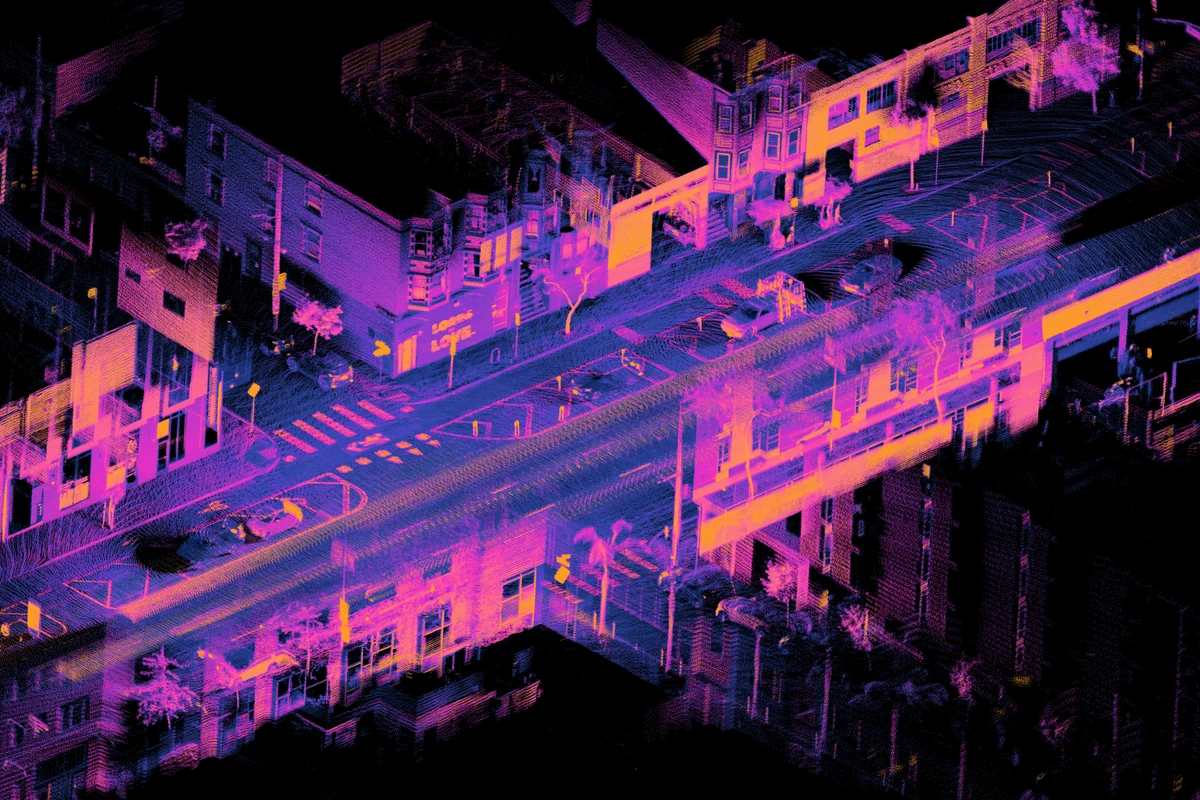
Hardware and experience still sit apart, of course. A 192-channel scanner and 420 teraflops describe a ceiling, not a result. A ceiling is useful to know, but it is not the same thing as a lived experience. Whether city navigation assistance is pleasant to use depends on how quickly algorithms improve, how efficiently data closes the loop, and how often the driver must take over. Demonstration clips always look smooth. Real underground garages, with their light, pedestrians and odd parking bays, are the actual test.
An easily overlooked issue comes next. Once advanced assistance reaches this price bracket, the population of users and the range of situations widen sharply. The system meets more driving habits and more demanding roads, and the pressure on its safety boundary rises. Technology moving downmarket is welcome, but it asks for more than fitting sensors. User education, clear statements of functional limits and a shared understanding of responsibility have to move with it. The responsibility question, in particular, tends to arrive after the first surprising incident rather than before it.
From an industry angle, Volkswagen using its architecture to push assistance into this bracket reads as a joint-venture brand shifting from following to competing on scale. If the move works, the pressure passes directly to brands whose margins lean on an assistance premium. A scanner at this price is not an ending. It is a signal that the entry ticket to this contest is being raised for everyone. Scale can absorb a price cut in a way that a thin margin cannot.
For an ordinary buyer the conclusion is simple. Getting a car with a laser scanner at this price was hard to imagine a few years ago and deserves a serious look. But the presence of a scanner is not a reason to ignore the software, the service network or the buyback terms. A specifications sheet tells you the hardware ceiling. The test drive and the contract tell you what the car is actually worth. In a market this noisy, the willingness to read the small print is itself a form of value.


Comments