When we talk about international organizations, everyone loves the highlight reels. But what really reveals a mechanism's true mettle is its darkest hours — a meeting cancelled halfway through by the host, the first stillborn joint declaration, a group photo that nearly didn't happen.
APEC has had every one of these awkward moments over 37 years: the table-flipping in Kuala Lumpur in 1998, the stillborn declaration in Port Moresby in 2018, the cancelled meeting in Santiago in 2019, the shadow over Da Nang in 2017. The amazing part: it came through every time, and grew stronger with every blow.
This piece deliberately picks the awkward moments — because a mechanism's true color shows not in fair winds, but against the wind.
◆ The Kuala Lumpur scene: the guest flips the host's table
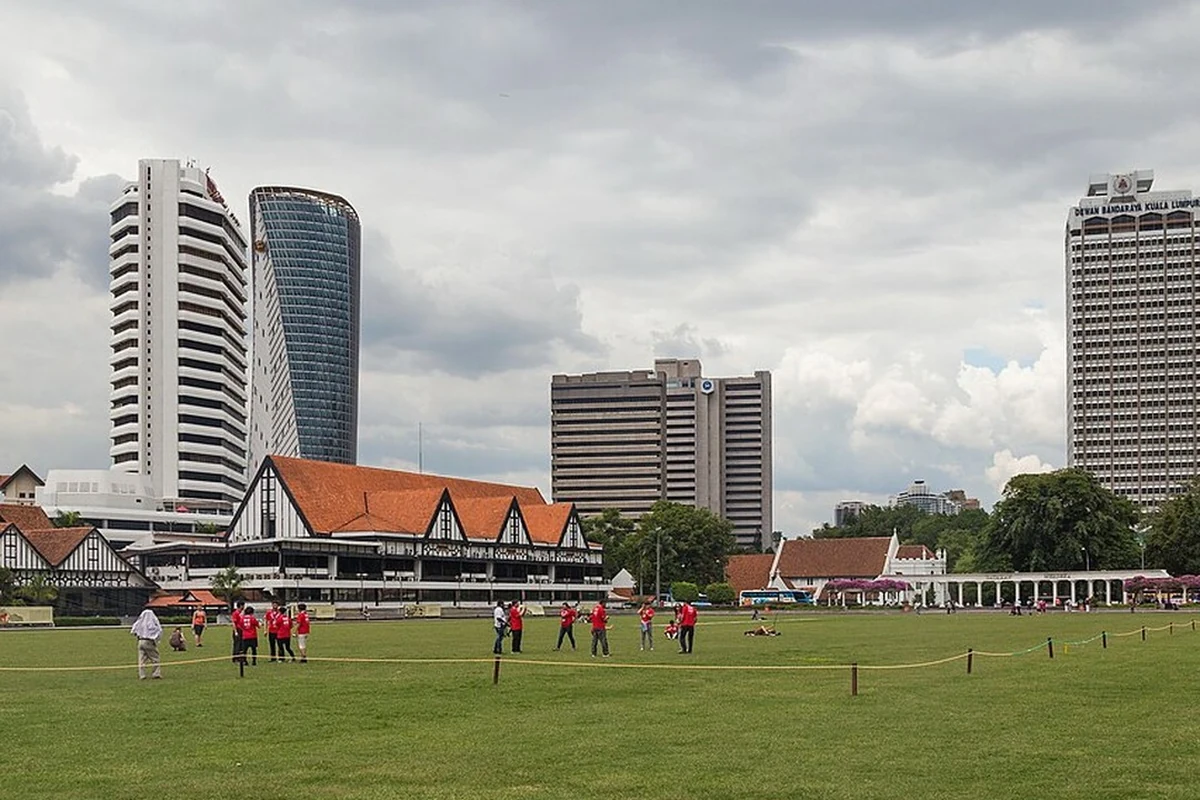
Kuala Lumpur, November 1998, the financial storm's embers still glowing. Host Malaysia had imposed capital controls in September, acting unilaterally against International Monetary Fund pressure — practically a heretical move in the Western economics community of the time.
At the meeting, then-US number two Al Gore gave a speech publicly endorsing Malaysia's reformists — the host laid on the feast, and the guest flipped the table on the spot; the room froze in an instant: host Mahathir kept a stone face throughout, and the next day's meeting schedule went ahead anyway. That scene became the most famous awkward moment in APEC history.
But the meeting still finished, the declaration still went out, and nobody walked out. Capital controls were later even shown to be effective in stabilizing the local currency — the two table-flippers didn't fall out before finishing the meal.
Lesson one at the negotiating table: awkwardness doesn't kill you; breaking up does.
◆ Port Moresby: the first stillbirth in history
Port Moresby, Papua New Guinea, November 2018: trade friction between two major powers hit its peak, and 21 members argued over the declaration text down to the last minute — for the first time in the history of the Leaders' Meeting, there was no joint declaration, only a host's statement. In 37 years, the communiqué had handed in a blank paper for the first time.
Delegations from several countries later revealed that the split was over the wording on the multilateral trading system: one side wanted 'oppose protectionism,' the other insisted on 'unfair trade practices' — a few adjectives' difference kept 21 delegations rewriting drafts all night.
Even more surreal was what happened offstage: the two countries' negotiating teams kept trading blows on nearby ships — tit for tat on the flagship's deck, while inside the venue people shook hands and posed for photos as usual. However fierce the argument, not a day of business stopped.
Reporters rewrote their copy again and again, and in the end there was only one word left in the headline: 'rare.'
◆ Santiago: the meeting that vanished halfway through
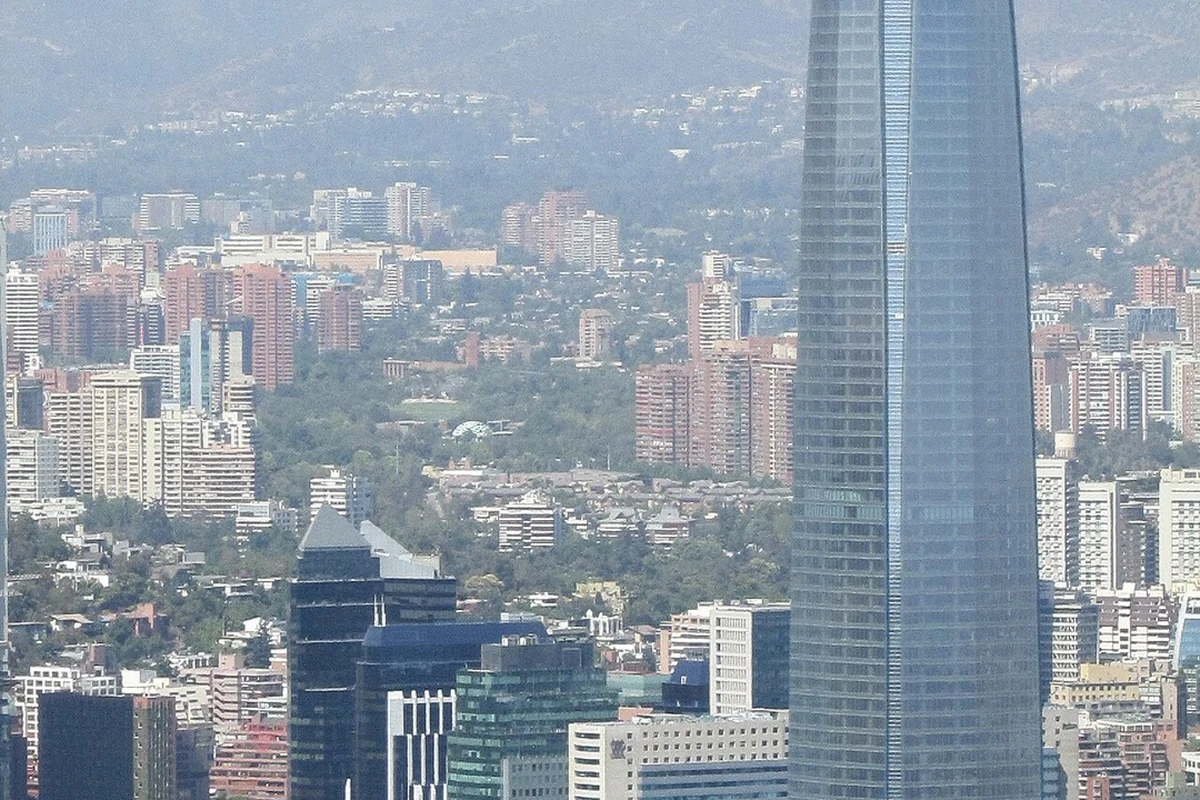
Chile was due to host in 2019, but domestic unrest escalated in October, and then-Chilean leader Sebastián Piñera announced on October 30 the cancellation of that year's Leaders' Meeting — a first in APEC history. Flights were booked and bags were packed, and the Asia-Pacific's biggest year-end dinner party just disappeared.
For a while, everyone worried the mechanism would break up right there, with one comment flatly stating: the alarm bell has rung for Asia-Pacific cooperation. After all, without leaders backing it, the whole year's agenda had lost its main pillar.
As it turned out, in December the Senior Officials' Meeting wrapped up as usual at the Singapore secretariat, with roadmaps on marine debris and fighting illegal fishing all intact; in 2020 Malaysia took over and moved the Leaders' Meeting onto video — the meeting was gone, but the work never stopped, not a single task lost.
This lesson is about the value of redundancy: a rotation system plus a permanent secretariat amounts to a spare tire fitted to the mechanism — even with the host absent, the steering wheel still turns.
◆ Two years held up by video meetings
The pandemic arrived in 2020, and Malaysia moved the Leaders' Meeting onto video, releasing the weighty Putrajaya Vision 2040: an open, dynamic, resilient and peaceful Asia-Pacific community by 2040 — a plan for the next twenty years delivered in a pandemic year, its value seriously underestimated.
New Zealand went further in 2021, holding two video Leaders' Meetings in a single year: July set the agenda for pandemic cooperation and economic recovery, and November nailed down the Aotearoa Action Plan, breaking the 2040 Vision into assessable blueprints.
Two years without a group photo, without handshakes and pictures, without banquets and state gifts — and not a single item missing from the results list, with the agenda advancing even faster than in some face-to-face years.
The two years without a group photo actually produced two hard-core documents — proof that taking pictures was never this organization's main business.
◆ The shadow over Da Nang: the multilateral table keeps turning
Da Nang, November 2017: the new US administration announced its withdrawal from the Trans-Pacific Partnership — a multilateral free-trade agreement whose negotiations were launched by APEC members, and now its initiator was walking away at the eleventh hour. The FTAAP roadmap was instantly cast in shadow, and outsiders wondered whether this meeting would turn into a trap.
As it turned out, the leaders' declaration went out as usual, inclusive growth and MSME issues were pushed as usual, and food security and digital trade agendas were all there — host Vietnam even used its home-court advantage to move the FTAAP discussion a step forward.
More intriguing was what came after: the remaining TPP members turned around and signed the CPTPP, and later even the party that withdrew applied to rejoin — the multilateral road, after a long detour, still had people walking it.
Da Nang's beaches are as beautiful as a postcard, and that year's post-meeting commentary was just as direct: the table of multilateralism keeps turning whoever is missing.
◆ 37 years of taking turns, zero breakups
Over 37 years, dozens of hosts took their turn: from Canberra to Gyeongju, from suits to tang suits to video windows. Taking turns looks simple, but it's actually wisdom of mutual checks and balances — nobody gets to turn the organization into their own living room, and everybody gets a chance to be host once.
The 2025 Gyeongju meeting in South Korea even launched the APEC AI Initiative — this 37-year-old dinner party keeps adding new dishes: from free trade to digital agenda to artificial intelligence, the topic list shifts gears with the times, and the party never goes out of style.
Compare that with the fate of other multilateral mechanisms over the same period: some have stalled, some have seen waves of withdrawals, some have been declared dysfunctional — while APEC's attendance stays consistently high, with all 21 members present.
A whole basketful of twists and turns, and not one breakup — that's probably the highest praise a mechanism's resilience can get.
Cancelled, stillborn, table-flipped — APEC's history of awkward moments is its history of withstanding pressure.
An organization that can be mocked for 37 years and still sit at the head table never got there by luck.
When the next crisis comes, its résumé is already thick enough.
This article draws on public reports from the APEC official website and Xinhua.



Comments