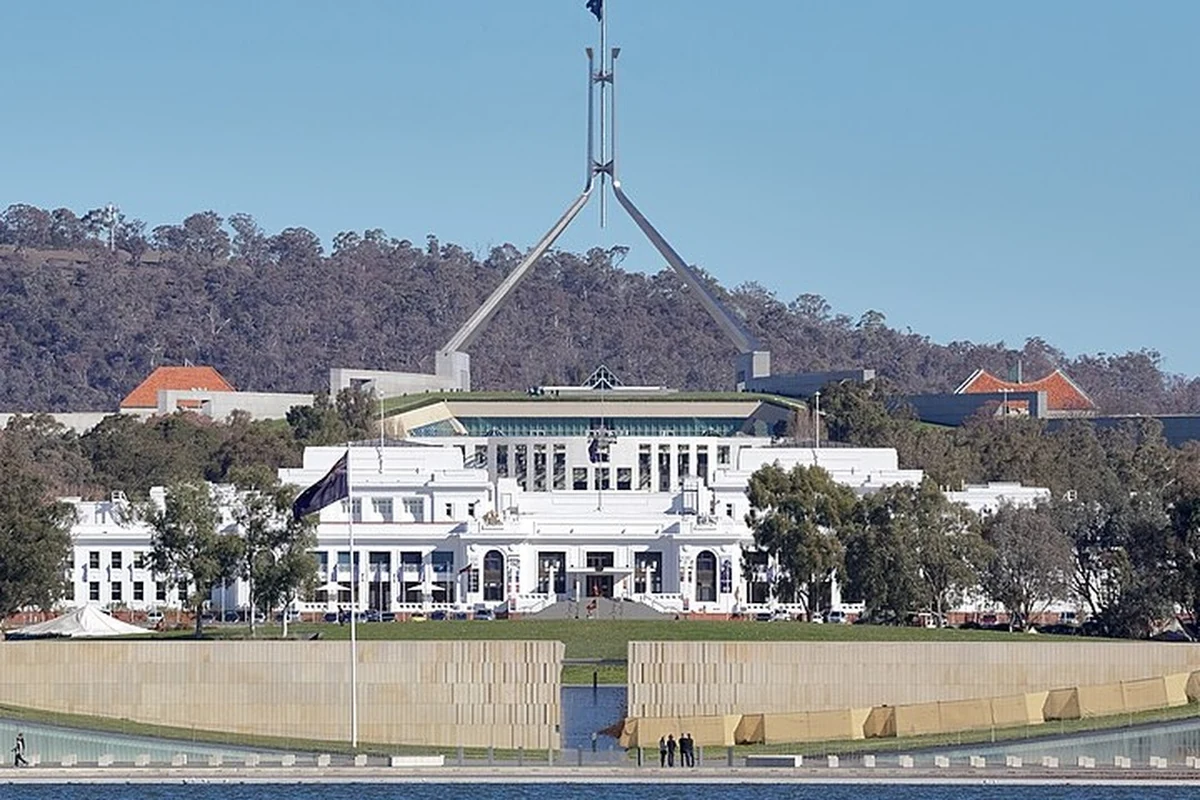
When you think of an international organization, you probably picture suits, simultaneous-translation headsets and endless communiqués. The 1989 meeting in Canberra started just as humbly — many media outlets around the world gave it barely more column inches than an obituary. Nobody expected this loose dinner party, mocked as a talking shop, to grow into a superclub of 3 billion people with 60% of global GDP.
Today the APEC website posts some hard numbers: 21 members, about 3 billion people or 36.4% of the world, and a combined GDP of US$61.4 trillion, or 61.6% of the global total — as if half the globe's business had been packed onto a single table.
This article digs up its birth certificate — one so earnest it's almost funny, and one that has decided the wallets of billions.
◆ A scattered Asia-Pacific in need of a table
In the late 1980s, the Asia-Pacific economy was red hot: the Four Asian Tigers were spreading factories around the world, and Japanese cars and home appliances were conquering markets. Japan sat firmly as the world's second-largest economy, while exports from South Korea and Taiwan region were climbing by double digits year after year, and economists worldwide cried that the Pacific Century had arrived.
The awkward part: the whole Asia-Pacific didn't even have a decent economic coordination mechanism; cooperation basically ran on bilateral talks and informal consultation. Meanwhile Europeans were building the European Community, and North America was quietly negotiating a free-trade deal. Over here around the Pacific, all we had were academic salons and semi-official forums to keep up appearances.
And trade wars poured fuel on the fire: after the 1985 Plaza Accord the yen was forced up, US-Japan semiconductor talks went tit for tat, and the Uruguay Round launched in 1986 collapsed several times over several years. Everyone's temper was at a boiling point. Business across the Pacific kept growing, but the table for arguing kept shrinking.
One media outlet quipped that Asia-Pacific economic cooperation was like a country fair: everyone sells their own wares, and arguments are settled by who shouts loudest. Harsh words, but close to the truth — the scattered Asia-Pacific really was missing a table to sit down at.
◆ Hawke's call from Seoul
On January 31, 1989, then-Australian leader Bob Hawke publicly floated a bold idea in Seoul: the major Asia-Pacific economies should sit down and hold a regular ministerial meeting. The union-born leader delivered the proposal as crisply as if he were announcing a game schedule.
The moment the proposal landed, embassies were telegraphing late into the night. Some worried about domination by the US, Japan and Australia; some feared it would turn into an all-talk club; there were even rumors that the big powers only wanted a small exclusive circle. Gossip flew everywhere, and most people sat on the fence.
But Hawke bet on the right moment: the Uruguay Round deadlock had made countries realize that if global multilateral talks stalled, they needed a backup at the regional level. Everyone wanted a table where they could argue and do business — all that was missing was someone brave enough to speak first.
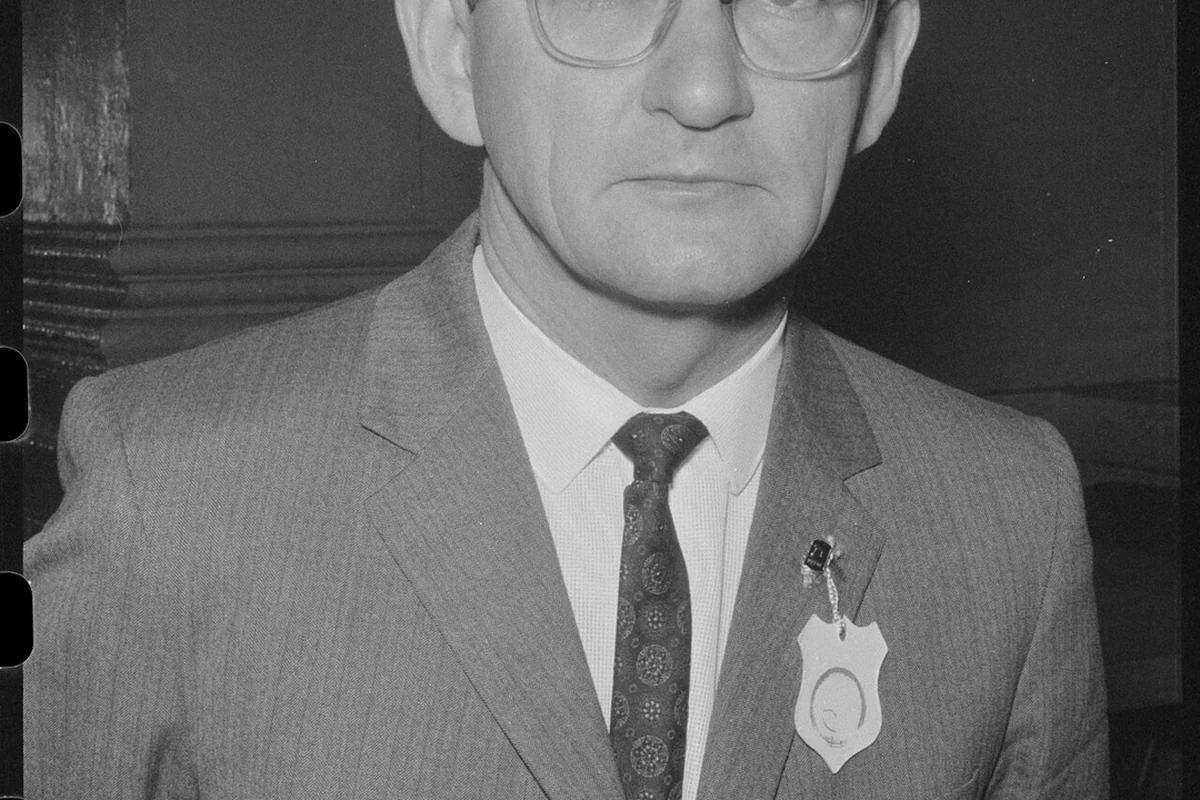
Even smarter was the choice of Seoul — launching the initiative in the heart of Asia was a statement on the spot: this isn't an Anglo club, it's a dinner party for the whole Asia-Pacific. A play on timing and a play on positioning — the veteran politician's touch was all over that speech.
◆ ASEAN takes the head seat: looseness is the protective charm
The toughest hurdle was ASEAN. The six ASEAN countries — Indonesia, Malaysia, the Philippines, Singapore, Thailand and Brunei — had butterflies: a regional organization was fine, but if the US, Japan and Australia ran the show, wouldn't the leading roles become supporting ones? That worry nearly killed the dinner party on the spot.
So the rules followed ASEAN's habits: no binding treaties, no hard thresholds, everything by consensus, voluntary and flexible, step by step. This design, jokingly called the least bossy around, became the core code that kept APEC alive for 37 years — no member could use it to force another member's hand.
ASEAN also secured the arrangements for observers and the secretariat: at the 1989 meeting, ASEAN countries held half of the 12 founding seats; the secretariat landed in Singapore in 1993, and at every meeting since, ASEAN has kept the seat of honor.
Looseness, precisely, was the charm. History has repeatedly shown since: the more tightly an international organization is run, the faster it falls apart, while APEC, powered by a spirit of 'let's talk it over,' managed to extend its life to 37 years.
◆ Canberra opens: the first table of 12
On November 5–7, 1989, the first Ministerial Meeting opened in Canberra. Australia, the United States, Japan, South Korea and New Zealand, plus the six ASEAN countries — all 12 founding members present. No earth-shattering treaty; the agenda was as plain as a neighborhood committee's: meet, get acquainted, and set the rules for where to hold the next one.
The joint statement released was a few thin pages, with one core line: the Asia-Pacific needs regular economic consultation. Even the organization's name was settled on the spot — the Asia-Pacific Economic Cooperation Conference, renamed Asia-Pacific Economic Cooperation in 1993. About as unglamorous as it gets, but it worked.
Even the following year's schedule was decided on the spot: Singapore would host in 1990, then Bangkok and Seoul would take turns. One rotation table beats ten pages of bylaws.
Yet it was this plain meeting that, for the first time, put the decades-scattered Asia-Pacific economies into the same room — and the biggest blank spot on the global trade map was filled from then on.
◆ Expansion is like opening blind boxes, and the seats keep filling up
Once the dinner party started, good news traveled fast. In November 1991, the third Ministerial Meeting in Seoul, South Korea issued three new tickets: China joined as a sovereign state, while Chinese Taipei and Hong Kong took seats at the same time as regional economies. The table grew from 12 to 15 — the Asia-Pacific's heaviest-weight markets finally sat together.
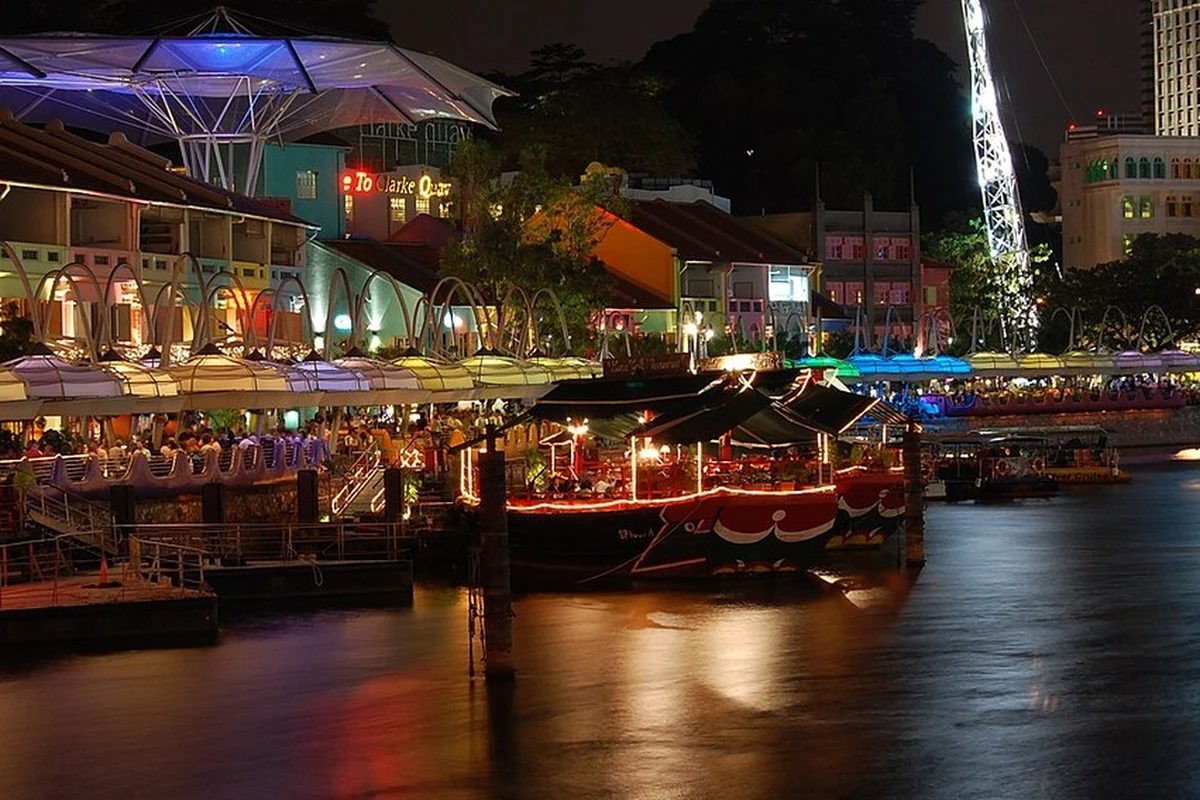
From 1993 to 1994, Mexico, Papua New Guinea and Chile joined in succession; in 1998 Peru, Russia and Vietnam took their places, and the full 21-member lineup took shape. No further expansion in the 28 years since — not because nobody wanted in, but because the seats really were full.
Look at the economic miracles on this membership list: the rise of Taipei 101, the neon of Seoul, the containers on Singapore's docks, Shenzhen's transformation from fishing village to tech hub — all of it happened on APEC's table.
The official website lists the 21 members' assets at a glance: GDP of US$61.4 trillion, or 61.6% of the world; merchandise exports and imports of about US$15.3 trillion each, each nearly half the global total — the snowball started rolling the moment China joined in 1991.
◆ The talking shop's comeback
More than 30 years on, the talking shop once mocked as nothing but tea and chatter has become the highest-level, broadest and most influential economic cooperation mechanism in the Asia-Pacific: from one ministerial meeting to more than twenty, with ministers for trade, finance, energy and food security clocking in year after year.
It still signs no binding treaties, running on a group photo and a declaration, yet it has genuinely lifted the Asia-Pacific into the engine room of the global economy, with exports and imports of about US$15.3 trillion each, nearly half the world's total; and the secretariat has even raised the region's 2026 growth forecast to 3.4%.
Not to mention the chain of outcomes it has hatched: the Leaders' Non-formal Meeting, the Bogor Goals, the FTAAP roadmap, the 2040 Vision — an organization once mocked as a talking shop actually set the Asia-Pacific's agenda for three decades.
By now you'll have noticed: a low bar isn't a lack of ability — it's a higher way of living.
That 1989 dinner party nobody believed in is now a card table for 60% of global GDP: 3 billion people, US$61.4 trillion in economic output, and nearly half of the world's imports and exports.
History proves again and again: getting people together matters more than nailing down the rules first.
Next time someone says international organizations are all talk, just toss them APEC's birth certificate.
This article draws on public reports from the APEC official website and Xinhua.


Comments